Other Cucurbita & Cucumis Types
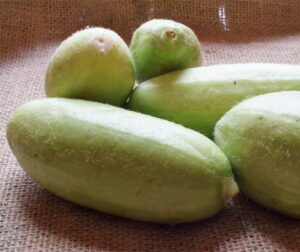
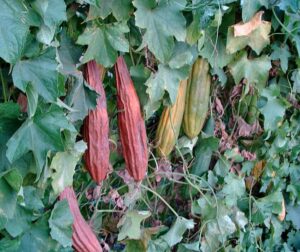
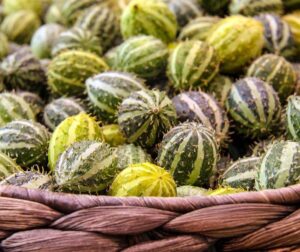
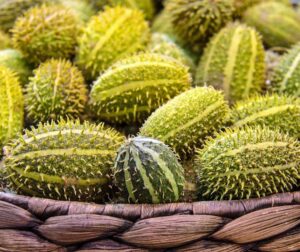
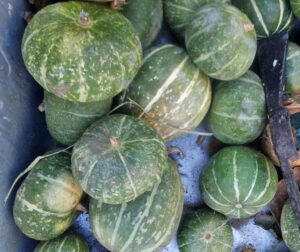
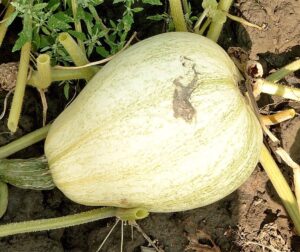
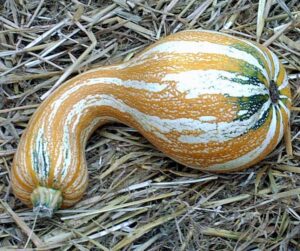
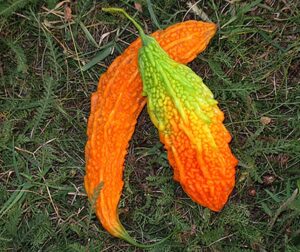
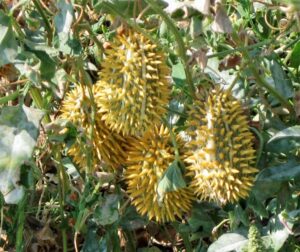
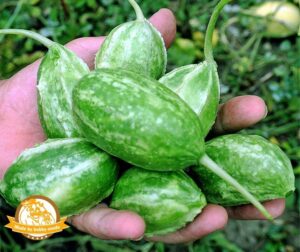
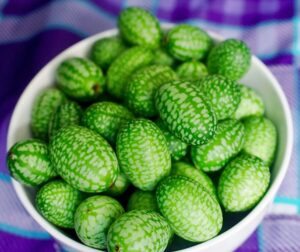
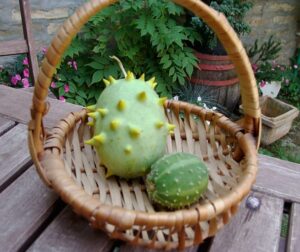
Discover unique varieties outside the familiar pumpkin families, such as Cucurbita pepo, C. maxima , and C. moschata. Perfect for those who love exotic, decorative, and diverse gardening.
Growing tips & use
-
-
-
Spacing & Space: Many of these plants are trailing or spreading; provide sufficient space. The fruits can be quite large, and the plant structure requires room to grow.
-
Harvest & Use: Depending on the variety – some fruits are harvested young for flavor, others ripen fully for storage or processing into jam/preserves. Seeds can be roasted or incorporated into dishes. Wikipedia+1
Why buy other Cucurbita/Cucumis varieties through Easyseeds.eu
-
-
Climate & soil: Many of these species require warm, well-draining soil and a long growing season. Not ideal for cold nights or late spring without warming.
-
Sowing & planting: Sow indoors from late April, plant out after frost. Varieties such as ficifolia tolerate short periods of light frost once established, but thrive best in consistently warm weather.
-
varieties: With us, you will find decorative and culinary varieties that you won't come across in every garden center boutique.
-
Detailed variety descriptions: Maturity time, fruit shape, uses (fresh, jam, fodder, ornamental), sowing tips, and growing conditions are clearly stated.
-
Genetic diversity & taste: These varieties offer variety – in shape, color, taste, and nutritional value – and enrich your garden and kitchen with something extraordinary.