Competitive prices for top quality
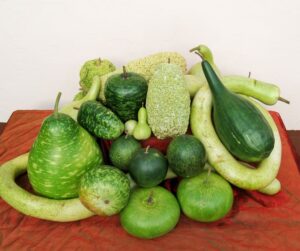
Lagenaria, the bottle gourd, is a climbing plant with long, decorative fruits in many different shapes. Suitable for gardens and pergolas, it creates a striking, natural decoration.
Discover the versatile world of Lagenaria (Bottle Gourd) at EasySeeds.eu: a special genus of gourds that combines graceful forms with centuries-old uses. These plants, also known as bottle gourd or calabash, are loved for both decorative and practical applications, and can even be eaten when young.
Latin name: Lagenaria siceraria
Family: Cucurbitaceae
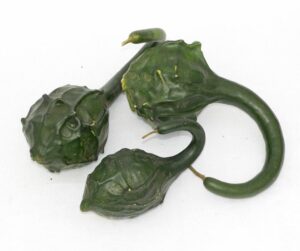
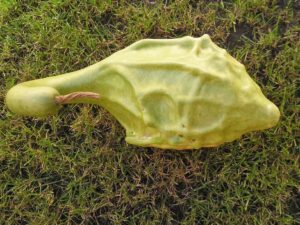
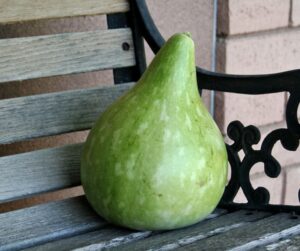
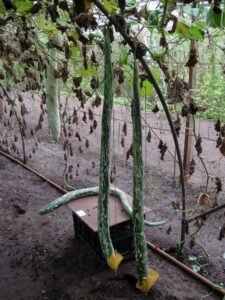
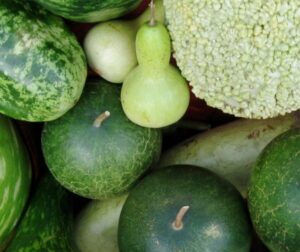
Shape: ranging from straight, bottle- or tubular-shaped to artistic and slender varieties such as 'Kikinda Competition Strain'.
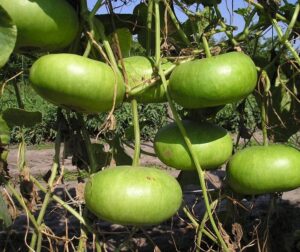
Colour: Usually light green during growth, changing to ochre or brown tones as it dries.
Uses: Young fruits as vegetables, mature fruits for drying for ornamental objects, instruments, or functional objects such as bottles and birdhouses.
Sowing: Sow indoors at the end of April, or directly outdoors from the beginning of May.
Soil: Warm, well-drained soil. Sunny location.
Space: minimum 2-3 m² per plant; for climbing cultivation (trellis, pergola), flowers and fruits beautiful and upright. easyseeds.eu+1
Maturation & Harvest: Ripening time is often around 110-130 days, depending on the variety. Harvest young fruits for consumption, and harvest older fruits before frost to dry.
EasySeeds.eu offers a wide range of Lagenaria varieties, each with its own characteristic shapes and decorative value:
Mini Bottle – small bottle shape (8-10 cm), ideal for decoration or as a decorative object.
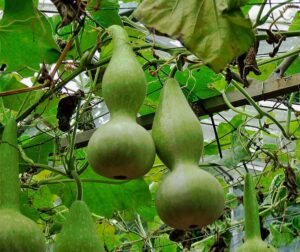
Indonesian Bottle – with a thicker neck, very attractively proportioned, especially when grown in a hanging basket.
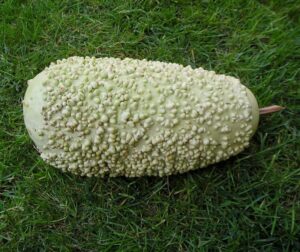
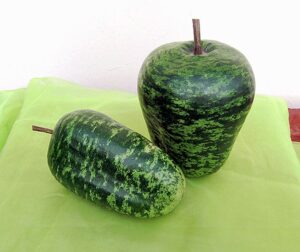
Kobra, Marenka, Birdhouse and Kikinda Competition Strain – each with unique shapes such as long slender fruits, bulbous bottles or distinctive textures.
Top quality seeds: carefully selected with good germination capacity.
Extensive range of both ornamental and functional varieties.
Wholesale prices & volume discounts: attractive for hobbyists and professional growers.
Clear cultivation information included so that you achieve optimal results with Lagenaria cultivation.
The genus Lagenaria, or bottle gourd, comprises a wide range of species and varieties, which are primarily valued for their decorative and functional forms. The best-known species is Lagenaria siceraria, whose fruits are often dried and used for works of art, musical instruments, or utensils.
Lagenaria, also known as bottle gourd or calabash, is a climbing plant in the cucumber family. It is primarily cultivated for its interesting, hard fruits, which are used for decoration or as utensils.
Young fruits, leaves, seeds, and flowers of Lagenaria are edible. The older, hard fruits are not suitable for consumption.
Yes, Lagenaria grows quickly. A sturdy fence, trellis, or pergola is necessary to support the climbing tendrils.
Pruning can make the plant more productive. Cut back side shoots when the plant is 2.5 to 3 meters tall to encourage more branching and flowers.
Lagenaria is pollinated by nocturnal insects, but hand-pollination can promote fruit set. Use a brush to transfer pollen from a male flower to a female flower.