Flower bulbs and perennials together form the basis of many ornamental and woodland gardens. Both plant groups are appreciated for their recurring growth, colorful flowers, and relatively simple care. Combining flower bulbs and perennials creates a garden with long-lasting blooms, variation in height, and a natural appearance throughout multiple seasons.
Flower bulbs are underground storage organs in which plants store nutrients. Thanks to these reserves, they can survive periods of dormancy, cold, or drought. As soon as conditions become favorable, they grow again and produce leaves and flowers. Well-known flower bulbs include tulips, daffodils, hyacinths, crocuses, and lilies. Some species bloom early in the spring, while others bloom in the summer.
Perennials are herbaceous plants that return annually from roots, rhizomes, or tubers. Unlike many annuals, perennials do not need to be sown again every year. During the winter, the above-ground parts often die back, while the underground part remains alive. In the spring, the plants sprout again. Popular perennials include hostas, salvia, phlox, daylilies, and peonies.
An important difference between flower bulbs and perennials is the way they store energy and grow. Flower bulbs use their bulb as a storage place for nutrients, while perennials often possess extensive root systems or rhizomes. However, both plant groups are suitable for long-term garden planting and can grow in the same spot for years.
Flower bulbs are usually planted in the autumn or spring, depending on the flowering period. Spring-flowering varieties often require a cold spell to produce flowers. Perennials can in many cases be planted in both the spring and the autumn. Both groups grow best in well-drained soil with sufficient nutrients.
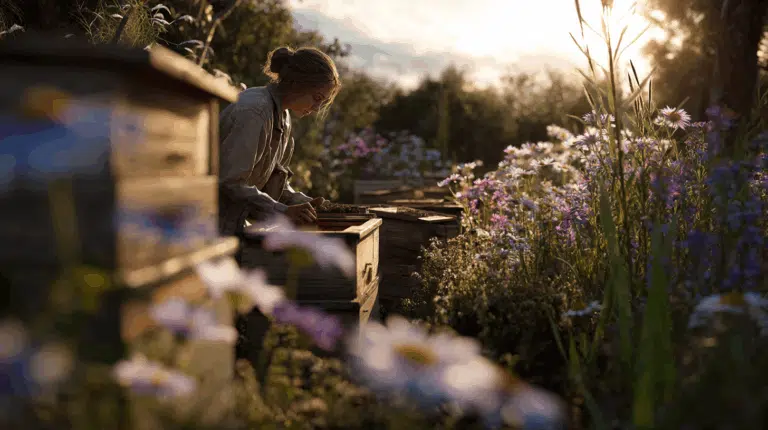
In the garden, flower bulbs are often combined with perennials to create a longer flowering period. Spring bulbs provide color early in the season, while perennials fill out the border later in the year. This keeps the garden attractive for several months. Additionally, they attract many species of bees, butterflies, and other pollinators, contributing to biodiversity.
Both flower bulbs and perennials are popular due to their versatility and low-maintenance nature. They can be used in borders, rock gardens, flower pots, and natural plantings. Thanks to the wide variety of colors, shapes, and flowering times, they offer endless possibilities for garden design. As a result, flower bulbs and perennials are among the most beloved plants for private and public gardens worldwide.