Cucurbita moschata – Flavorful Nutmeg & Butternut Squashes
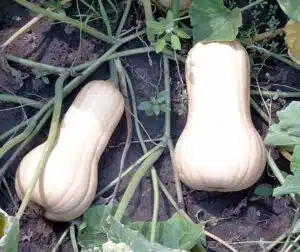
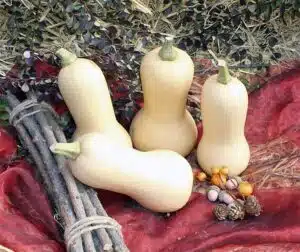
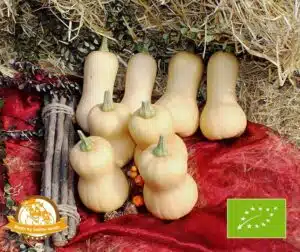
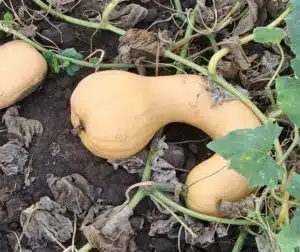
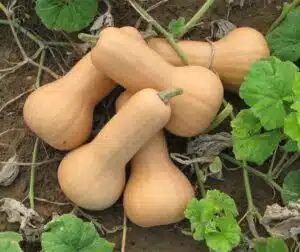
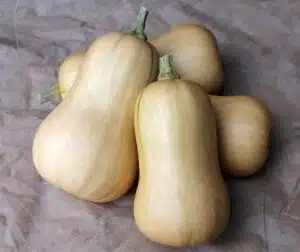
In the Cucurbita moschata on Easyseeds.eu, you will find muscat varieties, butternut squash, and related varieties with a warm, sweet flavor, excellent storage properties, and versatile uses. These winter squashes are perfect for those who want to cook, bake, store, and enjoy richer flavors in autumn and winter.
Main features and varieties
-
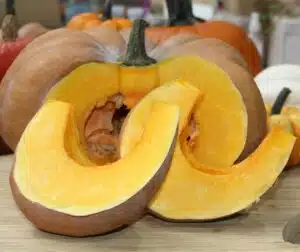
Taste & Nutritional Value: Cucurbita moschata varieties are known for their sweet, nutty pulp, high carotene content, and soft texture when prepared. Think of muscat pumpkins and butternut types, which are suitable for purees, soups, gratins, and even sweet pastries.
-
Varieties & examples:
- Butterscotch PMT F1: smaller bottle gourd of ± 600-900 g, with sweet pulp and mildew resistance.
- Montillo: mini nutmeg pumpkin of approx. 900-1400 g with a typical shape and good yield.
- Hidemi: uniform variety from Japan of 1-1.5 kg; firm flesh and a mild, nutty flavor.
- Beja: larger fruits (2-2.5 kg), intensely orange flesh, good yield.
Cultivation advice & growing conditions
-
Heat & Germination: Cucurbita moschata loves warmth. Sowing indoors is recommended, with an optimal germination temperature between 24-30 °C. Do not keep the seeds too moist.
-
Location & Space: Choose a sunny spot with fertile, well-draining soil. Planting distance varies depending on climbing behavior; substantial varieties sometimes require 2-4 m² or more.
-
Ripening time & harvest: Most varieties are ready for harvest after 95-110 days. Wait to harvest until the skin is hard, the color has changed, and the fruit has developed a full aroma. Some mini varieties may ripen slightly sooner.
Storage & use
-
Cucurbita moschata fruits keep excellently: in a cool, dry place (ideally 10-15°C), with good ventilation. Well-harvested butternut and muscat pumpkins remain edible for months.
-
Culinary uses are diverse: from roasted, pureed, in soups or pies, to even sweet treats. Firm pulp makes purees creamy, while the soft texture lends a comforting touch.
Why choose Cucurbita moschata from Easyseeds
-
Extensive assortment: different varieties in weight, shape, and taste – from small & manageable to large & impressive.
-
Informative variety profiles: Each variety comes with a clear description: growth period, planting distance, cultivation advice, pests/resistances & storage potential.
-
Quality & result: Seeds with good germination power, suitable for both novice gardeners and experienced growers.