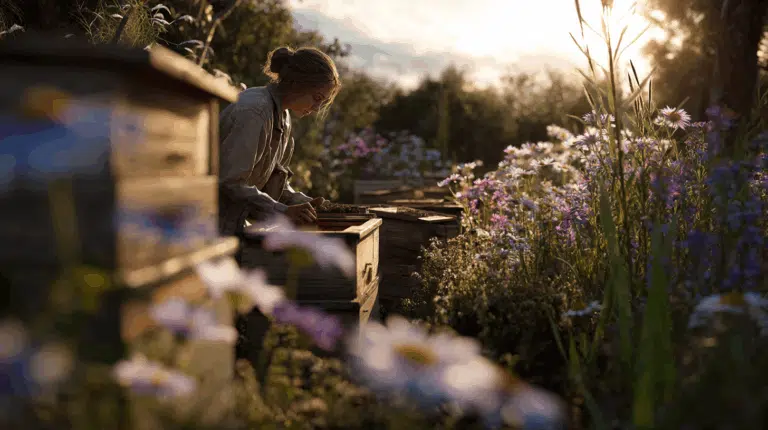
Other biennial plants – colorful garden plants from seed
With biennial seeds from EasySeeds.eu, you can fill your garden with a wide variety of beautiful flowers that add color and texture year after year. Sowing biennials from seed is perfect for gardeners looking for variety and long-lasting blooms. These plants use the first year to develop strong roots and foliage, and in the second year, they bloom profusely with colorful flowers, making them a valuable addition to any garden.
Why choose biennial plants from seed?
-
Abundant bloom and unique colors.
Biennial plants, such as Digitalis (Foxglove), Dianthus barbatus, Myossitis, etc., offer a wide spectrum of colors and flower shapes. From soft pastel shades to intense, striking colors – these plants give borders and pots a varied and lively appearance.
-
Long-lasting blooms and easy maintenance.
Biennial plants usually bloom in their second year and retain their beauty and ornamental value throughout the season. They are easy to care for, making them suitable for both novice and experienced gardeners.
-
Versatile and bee-friendly.
The flowers attract bees, butterflies, and other pollinators, contributing to biodiversity and a healthy garden environment. Biennials can be combined with annuals and perennials for a rich and varied garden.
Uses of other biennial plants
-
Borders & flowerbeds – Add height, structure, and color to borders with these graceful biennial flowers.
-
Pots and containers – More compact varieties are excellent for pots, balcony planters, and patios, allowing even small gardens to benefit from long-lasting blooms.
-
Cut flowers – Many biennial plants are suitable as cut flowers, ideal for fresh bouquets and indoor floral arrangements.
-
Combinations with other garden plants – Combine other biennials with annuals and perennials for a long-lasting and varied flowering season.
Tips for sowing other biennial plants
-
Sowing time – Sow indoors in early spring or directly outdoors in late summer for flowering in the second year.
-
Soil & location – Use well-draining seed compost and choose a sunny to semi-shady location, depending on the species.
-
Care – Keep the soil moist during germination and the first growth phase; provide fertilizer regularly for strong and healthy plants.
-
Hardening off – Allow young plants to gradually acclimate to outdoor conditions before they are permanently planted out.
Buy other biennial plant seeds at EasySeeds
At EasySeeds.eu, you will find an extensive range of other biennial plant seeds, selected for germination rate, color variety, and flowering intensity. Whether you want to fill borders, beautify pots, or create a richly flowering garden yourself – our biennial plant seeds bring your garden to life every season.
🌿 Discover our range now and order easily online – buy other biennial plant seeds at EasySeeds.eu!