Competitive prices for top quality

Lobelia

There are several varieties of Lobelia, but it is best known as a compact, profusely flowering bedding plant with a sea of ​​small blue, purple or white flowers, perfect for hanging baskets, borders and window boxes.

Frequently Asked Questions about Lobelia

1. What is Lobelia as a bedding plant?

Lobelia is a graceful, compact bloomer with a mass of small flowers. It's ideal for borders, pots, hanging baskets, and balcony boxes, and provides a lush display of color in shades of blue, purple, white, or pink.

2. What types of Lobelia are there?

The plant Lobelia is a popular ornamental plant with many varieties, especially known for their bright blue, purple, or white flowers. Broadly speaking, Lobelia can be divided into three main groups:
Lobelia erinus: the most commonly used as a bedding plant. An annual, low-growing, creeping plant with abundant small flowers in blue (usually), purple, white, or pink.
Lobelia cardinalis: a perennial with upright stems and (usually) striking reddish flowers. Can grow up to 1.2 m tall.
Lobelia siphilitica (blue lobelia): a perennial with blue to violet-colored flowers, usually slightly larger than Lobelia erinus, with upright stems.

3. Can Lobelias also grow in pots or hanging baskets?

Yes! Lobelia erinus is ideal for balcony boxes, hanging baskets, and pots. It grows beautifully over the edge and quickly fills the container with flowers, creating a lush display of color.
Lobelia cardinalis is also perfect for pots on balconies or patios.

4. Are Lobelia plants good for bees and butterflies?

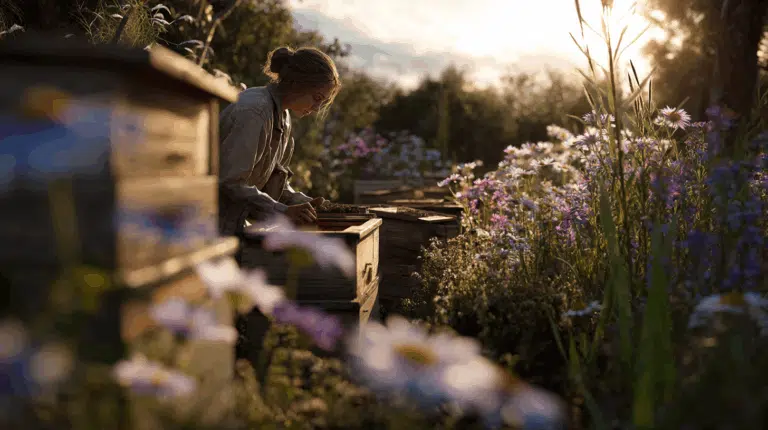
Yes! Lobelia flowers attract bees and butterflies, making them a useful addition to a biodiverse garden and contributing to pollination.

5. What are the benefits of Lobelia as a bedding plant?

  • Compact growth and long-lasting flowering

  • Lots of color variation, especially in blue, purple, white and pink

  • Suitable for borders, pots and hanging baskets

  • Easy to maintain, especially with regular watering and feeding

  • Attraction for bees and butterflies