
Competitive prices for top quality
Bare-root perennials are perennial plants that are supplied without a pot and without soil around the roots. They are usually dug up during their dormant period in spring or autumn. This method of delivery makes transport easier, cheaper, and more environmentally friendly than with potted plants.
Upon receipt, the plants must be planted as soon as possible to prevent the roots from drying out. They grow best in well-draining, nutritious soil. When planting, the roots are spread wide in the planting hole and pressed down firmly with soil, after which sufficient water is given.
Many popular garden plants are sold bare-root, including hostas, peonies, irises, and daylilies. Perennials return every year because the roots remain alive underground, even when the above-ground parts die back in the winter.
Bare-root perennials are popular because of their strong growth, long lifespan, and attractive price.
Perennials, also known as multi-year plants, are plants that last for several years and sprout anew each growing season from their roots, rhizomes, or tubers. A common form in horticulture is supply as “bare root perennials.” In this case, the plants are sold and shipped without a pot and without soil around the roots. This usually takes place during the plant's dormant period, in the autumn or early spring.
The concept of bare-root plants is widely used because it is efficient, sustainable, and cost-effective. Since no potting soil or plastic pots are required, the plants are lighter and easier to transport. This reduces both shipping costs and the environmental impact. Additionally, bare-root perennials take up less storage space than pot-grown plants.
When bare-root perennials are dug up, the roots remain alive but in a dormant state. Upon receipt, it is important to plant them quickly to prevent drying out. If immediate planting is not possible, the roots can be kept temporarily cool and slightly moist. For best results, the roots are often briefly soaked in water before planting to ensure they become well hydrated.
When planting, a spacious planting hole is made in which the roots can spread out well. The crown of the plant, where roots and shoots meet, should usually lie just below or level with the soil surface. After planting, the soil is firmly pressed down and the plant is given sufficient water to create good contact between the roots and the soil.
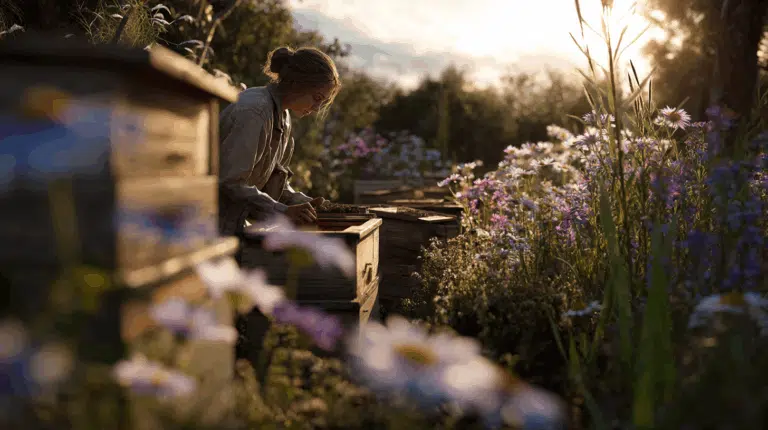
Many popular garden plants are available as bare-root perennials. Examples include hostas, irises, daylilies, phlox, astilbe, and peonies. These plants are used in borders, cottage gardens, shade gardens, and natural plantings. Furthermore, many species attract bees, butterflies, and other pollinating insects, contributing to biodiversity in the garden.
An important advantage of bare-root perennials is that they often adapt quickly to their new growing location. Because the roots are not confined by a pot, they can immediately grow into the surrounding soil. With proper care, the plants develop into strong and long-blooming specimens.
Due to their long lifespan, low maintenance, and relatively low purchase price, bare-root perennials are a popular choice for both home gardeners and professional landscapers. They offer a sustainable and practical way to create colorful and varied gardens.
Most bare-root perennials begin to form new roots and shoots within a few weeks, depending on temperature and humidity. Some species bloom as early as the first season, while others first strengthen their root system.
Yes, regular watering is important, especially immediately after planting. Keep the soil slightly moist until the plant is well established. However, avoid prolonged wet soil to prevent root rot.
Most bare-root perennials are very hardy. During the winter, the above-ground parts often die back, but the plant remains alive underground and sprouts again in the spring.
Certainly. Bare-root perennials combine well with ornamental grasses, shrubs, and flower bulbs. By combining different flowering times, you create a colorful garden that remains attractive for multiple seasons.
Bare-root delivery helps transport the plant while dormant and reduces the use of plastic pots and potting soil. As a result, the plants are packaged more sustainably and are often more affordably priced than pot-grown alternatives.