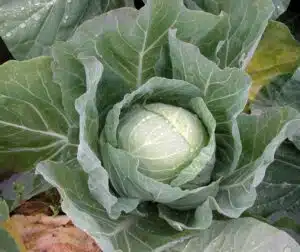
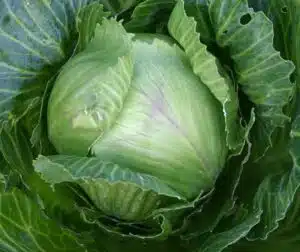
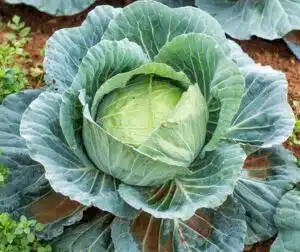
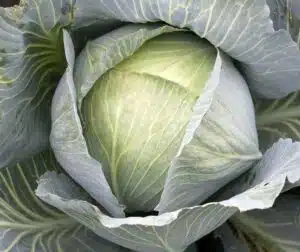
Brassica oleracea (Pointed cabbage) Filderkraut BIO – a special pointed cabbage variety with a rich tradition and an exceptional taste.
Brassica oleracea 'Filderkraut BIO' is a special pointed cabbage variety with a rich tradition and an exceptional taste. This organic cabbage variety originates in the region around Stuttgart in Germany and is known as a true regional specialty. Thanks to its mildly sweet, refined taste and excellent storage properties, Filderkraut is a favorite among lovers of fresh cabbage and homemade sauerkraut.
Filderkraut distinguishes itself from other cabbage varieties by its elongated, pointed shape and particularly tender texture. The leaves are finer and softer than those of traditional white cabbage, resulting in a mildly sweet and aromatic flavor. This makes this pointed cabbage extremely suitable for both raw and cooked preparations.
What makes this variety extra special is that it is traditionally used to make sauerkraut. The high sugar content and fine leaf structure result in a sauerkraut of exceptional quality: fresh, tender, and full of flavor.
Ideal for storage and processing
In addition to the taste, the long shelf life is also a major advantage of Filderkraut. Provided it is stored in a cool, dry place, the cabbages can be kept for a long time without loss of quality. This makes the variety ideal for those who like to build up a stock of winter vegetables or want to ferment sauerkraut themselves.
The firm structure ensures that the cabbage retains its shape well during processing, while remaining tender for consumption.
Cultivation and location
Growing Filderkraut BIO is relatively simple and suitable for both novice and experienced gardeners. Like all brassicas, this plant requires nutritious, well-fertilized soil. Rich soil is essential for developing firm and flavorful heads.
The sowing period runs from April to May and can be carried out in two ways:
- Pre-growing (recommended): indoors or in a greenhouse for a strong start
- Direct sowing in open ground: under favorable weather conditions
When transplanting or thinning, maintain a planting distance of approximately 60 x 60 cm. This gives the plants sufficient space to develop fully.
A sunny to lightly shaded location is ideal. Regular watering and proper fertilization contribute to healthy growth and an optimal yield.
Harvest period
Filderkraut can be harvested from September to October. The heads are ready for harvest when they feel firm and have fully developed their characteristic pointed shape.
Thanks to the staggered harvest period, you can enjoy fresh pointed cabbage from your own garden for several weeks.
Applications in the kitchen
This pointed cabbage is particularly versatile in use. Some popular applications are:
- Fresh salads thanks to the soft texture
- Stir-fry dishes for a light, sweet flavor
- Top-quality traditional sauerkraut
- Mashed potato dishes and casseroles
Due to its mild taste, Filderkraut is also popular with people who sometimes find regular cabbage too strong.