Competitive prices for top quality

Watermelon

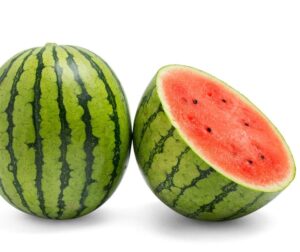
Watermelon is a juicy, sweet fruit with a high water content and a refreshing flavor. A favorite summer fruit on hot days.

Frequently Asked Questions about Watermelon

1. What is the difference between a watermelon and a honeydew melon?

Watermelons are generally larger, have a higher water content, and a crunchy texture. Sugar melons (such as cantaloupe and honeydew melon) have firmer flesh and are usually sweeter in taste.
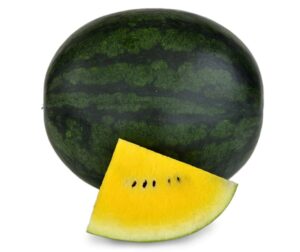
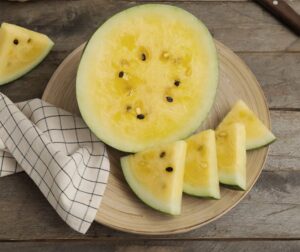
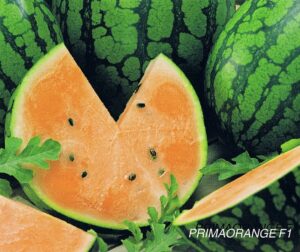
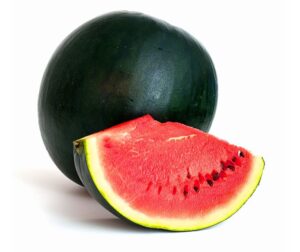
There are various types of watermelon, including seedless or seedless varieties, and with varying sizes, colors, and flavors.

2. Are watermelon plants climbers or creepers?

Watermelon plants are vining creepers. They need plenty of space to grow along the ground, or you can tie them up to encourage them to climb.

3. When should I sow watermelon?

For best results, start by sowing indoors in small pots from mid-April to mid-May. Watermelons require a constant, warm temperature of around 22°C to germinate.
Sow the seeds about 1.5 cm deep in pots filled with seed and cutting compost.
Wait to transplant until after the Ice Saints (mid-May) and when there is no longer a risk of night frost. First, harden off the plants by placing them outside during the day.

4. Should I fertilize watermelon?

Yes, watermelons are voracious eaters. Provide a fertilizer rich in phosphorus and potassium, preferably tomato fertilizer.

5. Should I prune watermelon?

Pruning is necessary to keep the plant under control and direct its energy toward fruit production. Limit growth to two to three main canes.

6. What is hand pollination in watermelon?

Watermelon plants have both male and female flowers. When growing in a greenhouse or due to insect deficiencies, hand pollination may be necessary. This is done by applying pollen from a male flower to the pistil of a female flower.