Competitive prices for top quality

Carrots

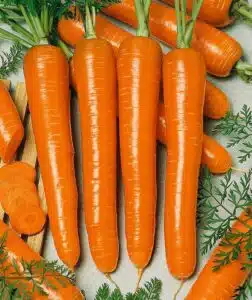
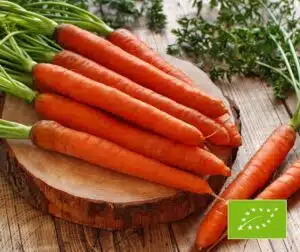
Crunchy, usually orange root vegetable, rich in beta-carotene, vitamins, and fiber, versatile in dishes. Excellent for eating raw as a snack.

Frequently Asked Questions about Carrots

1. What types of carrots are there?

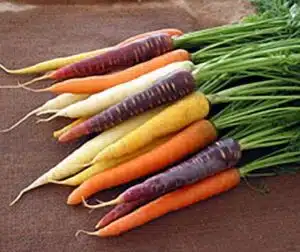
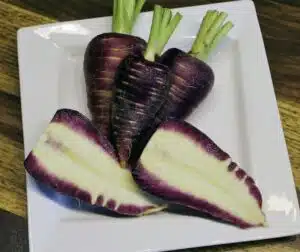
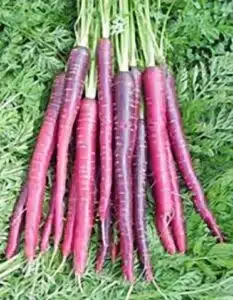
There are different types of carrots, varying in color (orange, purple, yellow, white), size, and shape (round, blunt, or oblong). Easyseeds offers a variety of seeds for a colorful harvest.

2. What is the difference between winter carrots and bunched carrots?

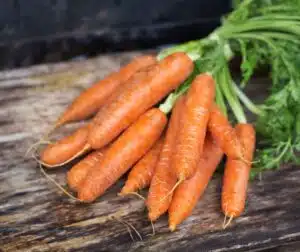
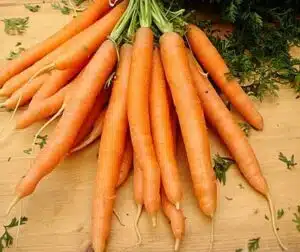
Winter carrots are thicker, longer carrots harvested later in the season and suitable for storage. Bunched carrots are younger, thinner carrots sold in bundles and intended for quick consumption.

3. How do I sow carrots?

The best time to sow carrots is from March to July, depending on the desired harvest time. Consult the sowing calendar for the specific timing of your variety.
Carrots prefer airy, well-drained, and stone-free soil so they can develop undisturbed. Heavy clay soil is less suitable. Loosen the soil well and enrich it with compost, but avoid fresh manure.
Sow the small seeds shallowly, about 1 cm deep.
Sow the seeds in rows, with approximately 15-20 cm between the rows.
Thinning is crucial for good carrot development. When the seedlings are a few centimeters tall, thin them to 5-10 cm apart.

4. How do I prevent carrot flies when thinning?

The carrot fly is attracted to the smell of carrots. Thin out on a windy day or in the evening, and cover the carrots immediately after thinning with fine-mesh insect netting.

5. What is root rot and how do I prevent it?

Root rot is caused by overly wet soil and poor air circulation. Use well-draining soil and ensure adequate watering.