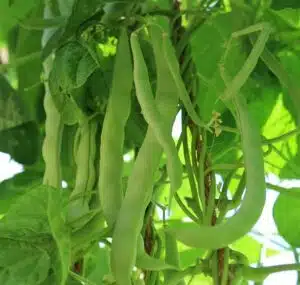
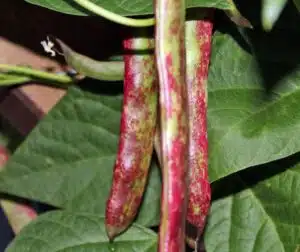
Phaseolus vulgaris 'Magda' – Green, medium-fine bush bean with a full flavour
The Phaseolus vulgaris Magda is a green bush bean that is particularly popular in the home garden thanks to its mild flavor, fine texture, and reliable growth. This medium-fine, stringless bean produces long, dark green pods that can be eaten fresh or used in various dishes. Magda is known as a fast starter: the plants grow quickly, develop pods early, and provide a consistent harvest throughout much of the summer. This comprehensive article explains everything about growing, caring for, and using Magda, ideal for fresh green bean lovers.
Medium-fine, stringless pods with excellent flavor
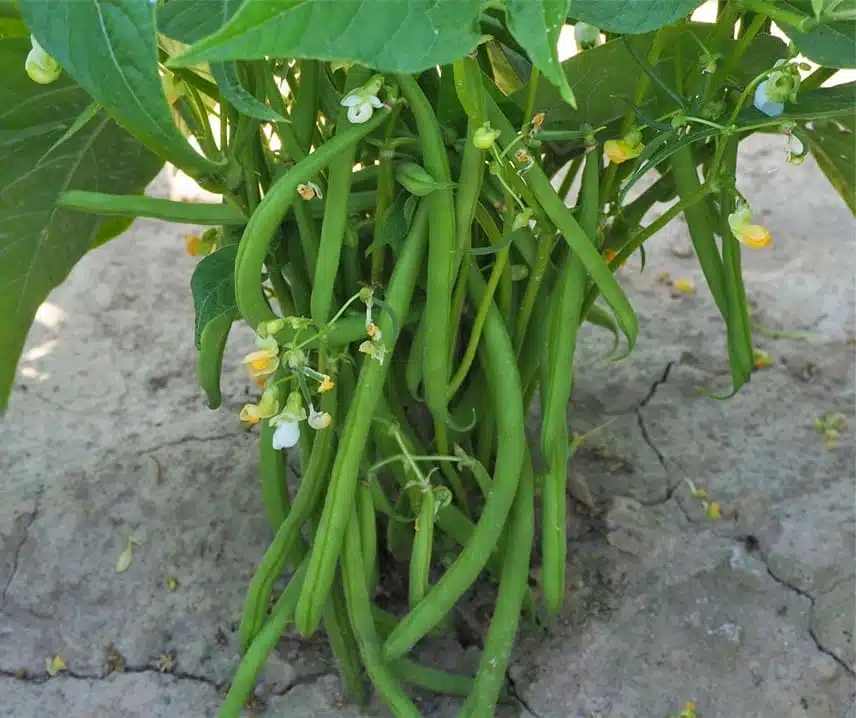
Magda's greatest strength lies in the quality of its pods. These are approximately 20 cm long, 6–8 mm wide, slender, uniform, and completely stringless. This ensures the bean remains tender and pleasantly textured, even when left on the plant for a little longer. The flavor is fresh, pure, and subtly sweet—ideal for those who value a fine bean that requires little preparation.
Because Magda doesn't form strings, the beans can be prepared without peeling or any additional cutting. This makes the variety attractive to both beginning gardeners and home cooks who enjoy quick and fresh meals with their own harvest.
Early growth and reliable yield
Phaseolus vulgaris Magda is an early-growing variety. The plants develop quickly after emergence and produce firm pods already in the summer months. This makes Magda suitable for gardeners who want to see early results from their crop.
Furthermore, Magda is resistant to, among other things, grease spot and bean mosaic virus, two diseases that can affect bean cultivation. This resistance contributes to a healthy, robust plant, reducing the risk of crop failure and maintaining stable yields, even in less-than-ideal weather conditions.
Sowing and growing – simple and accessible for everyone
Sowing time runs from May to early July, when the soil has warmed up sufficiently. Beans dislike the cold, but thrive as soon as the temperature rises. Magda is sown directly outdoors; pre-sowing is usually not necessary.
Recommended sowing distances:
Because beans live in symbiosis with nitrogen-fixing bacteria, they usually don't require fertilizer. However, it's important to avoid waterlogging. Overly wet soil can damage the roots and stunt growth. Try to avoid tilling in wet conditions and maintain an airy soil structure.
Later hilling helps the plant to root firmly, promotes additional stability and can encourage a higher yield.
Harvest period and use in the kitchen
Magda's harvest period runs from July to September, providing fresh pods for much of the summer. Regular picking is crucial: the more often you harvest, the more new pods the plant produces.
Culinary applications:
-
Briefly boiling or steaming retains the soft bite
-
Delicious in stir-fries with, for example, onion, garlic or pepper
-
Excellent for use in salads or lukewarm vegetable dishes
-
Suitable for freezing after blanching
With its slender shape and fine structure, Magda fits into both traditional Dutch dishes and modern kitchen creations.