Phaseolus vulgaris 'Goldmarie' – Reliable yellow pole bean with flat, tender pods
Within the runner bean range, Phaseolus vulgaris Goldmarie is a highly prized variety. This yellow runner bean with flat pods is known for its high reliability, excellent flavor, and long-lasting yield. Even in wet or cooler seasons, Goldmarie remains productive and healthy—a characteristic that makes it popular with both experienced gardeners and beginners. In this article, you'll discover the characteristics, cultivation methods, and uses of this versatile bean variety.
Yellow, flat pole bean with long-lasting tenderness
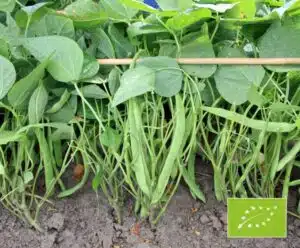
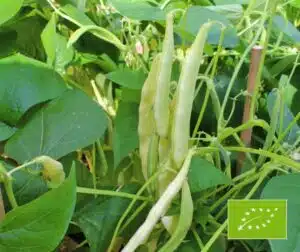
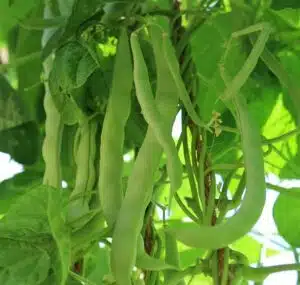
What distinguishes Goldmarie from many other pole beans is the shape of its pods. While most beans are round, this variety has flat, dark green pods—both striking in appearance and exceptionally pleasant in texture. The pods average about 20 cm in length and remain remarkably tender for a long time. This allows for a generous harvest window during which the beans don't quickly become tough or stringy.
The flavor is mild and refined, ideal for those who enjoy beans with bite but without the tough fiber. Goldmarie is excellent for fresh use in cooking, but can also be used in stews, stir-fries, or summer salads, where its flat shape is visually appealing.
High yield, even in bad weather
Goldmarie has proven itself as a reliable pole bean with consistent yields, even in conditions where other varieties sometimes struggle. This makes it an excellent choice for gardeners in temperate climates or in years with variable weather. The plant continues to flower well, even when the weather is less cooperative, resulting in a long and often abundant harvest.
In addition, Goldmarie is resistant to bean mosaic virus, a common bean disease that can inhibit growth and yield. This natural resistance increases the chance of a healthy plant and successful cultivation, even without intensive crop protection.
Sowing & cultivation – a strong grower with a climbing plant character
Goldmarie is a pole bean, meaning the plant needs support to climb. The sowing season is between mid-May and the end of June, when the soil has warmed up sufficiently and the risk of frost is minimal. The beans are sown directly in the open ground, along stakes or a trellis.
Recommended sowing instructions:
The plants grow vigorously upwards, taking up relatively little ground space. This makes Goldmarie suitable for smaller vegetable gardens where height can be optimally utilized. Regular training and tying as needed ensures even growth.
As with most bean varieties, fertilization isn't necessary because the plants fix nitrogen from the air and store it in the soil. This makes Goldmarie a sustainable and soil-friendly crop. However, it's essential to avoid waterlogging, as beans are susceptible to root damage in overly wet soil. Earthing up later in the season supports the plant and improves stability and yield.
Harvest & culinary applications
The harvest period runs from late July to October, ensuring a long, fresh bean harvest. Regular picking keeps the plant producing new pods and stimulates production.
Instructions for use in the kitchen:
✔ Cook fresh or steam for a mild, full flavour
✔ Ideal for salads and light summer dishes
✔ Excellent for stir-frying or grilling
✔ Suitable for pickling or using in bean dishes
The flat shape makes Goldmarie not only distinctive in terms of taste, but also visually attractive in dishes where colour and texture play the leading role.