Phaseolus vulgaris 'Golden Gate BIO' – Beautiful yellow pole bean for fresh consumption
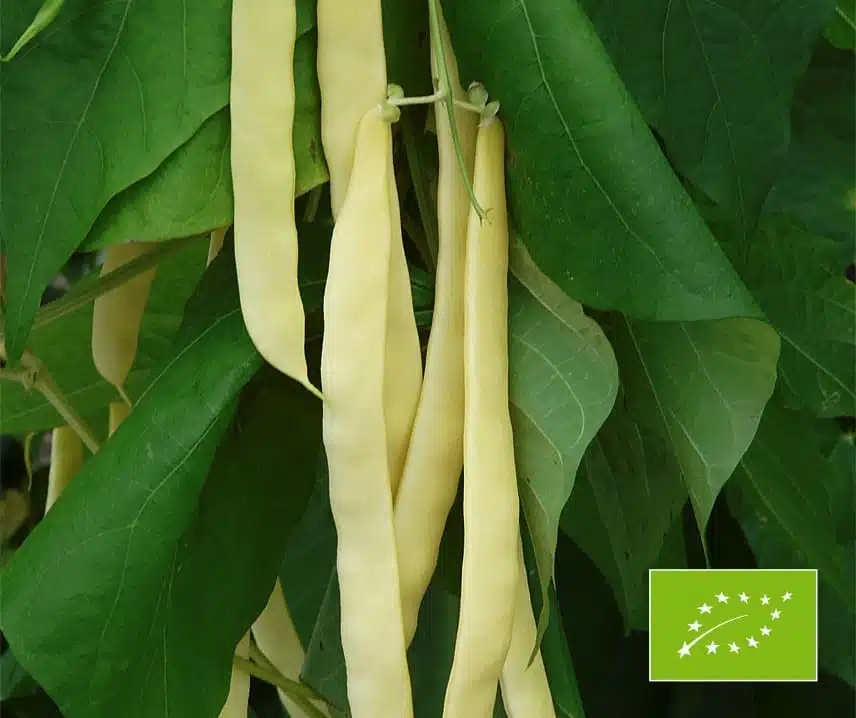
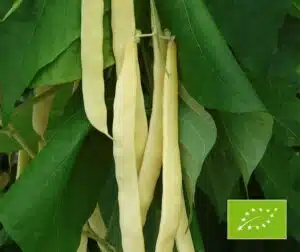
The Phaseolus vulgaris Golden Gate BIO is a yellow runner bean that excels in flavor, color, and vigor. This mid-early variety combines ornamental value with high yield and is suitable for both greenhouse and outdoor cultivation. The long, stringless pods are tender and full-flavored, making the bean an excellent addition to fresh dishes and salads. At the same time, Golden Gate BIO is a bean variety that freezes well without losing quality. In this article, you'll discover all the characteristics, growing advice, and culinary possibilities of this versatile variety.
Yellow pole bean with a refined taste and high quality
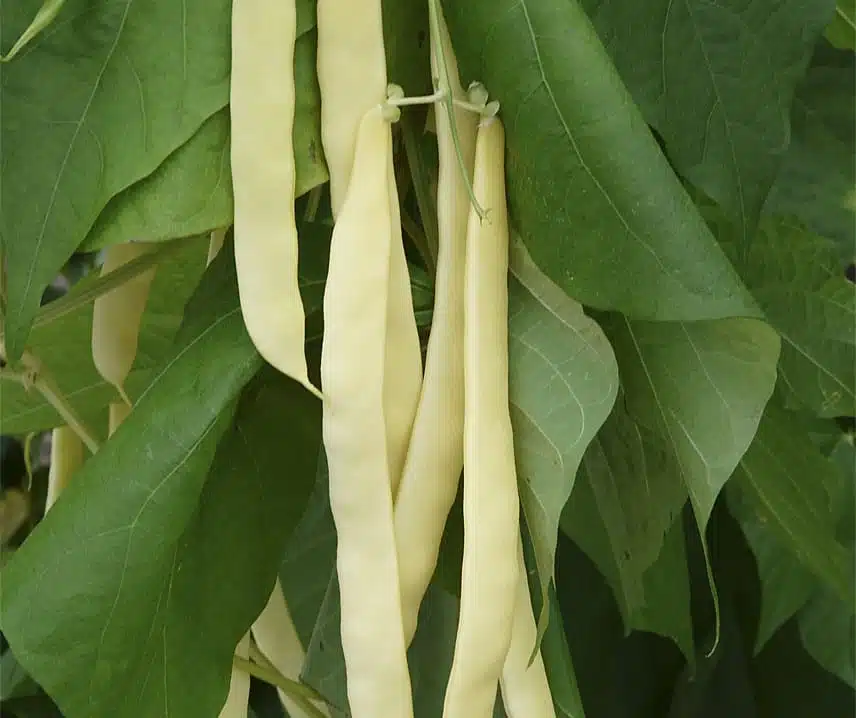
While green beans are most often seen in the vegetable garden, Golden Gate is a colorful exception. This yellow pole bean has slender pods with a soft texture and a particularly mild flavor. Golden Gate is stringless, meaning the pods remain tender and free of tough strings during cooking. This makes them ideal for fresh consumption—straight from the garden, briefly boiled, steamed, or used raw in salads.
Thanks to their elegant color, these beans are also a visual complement to any dish. Combined with green beans, purple varieties, or summer vegetables, they create a vibrant mix of colors that invite you to savor them.
Suitable for greenhouse and open ground
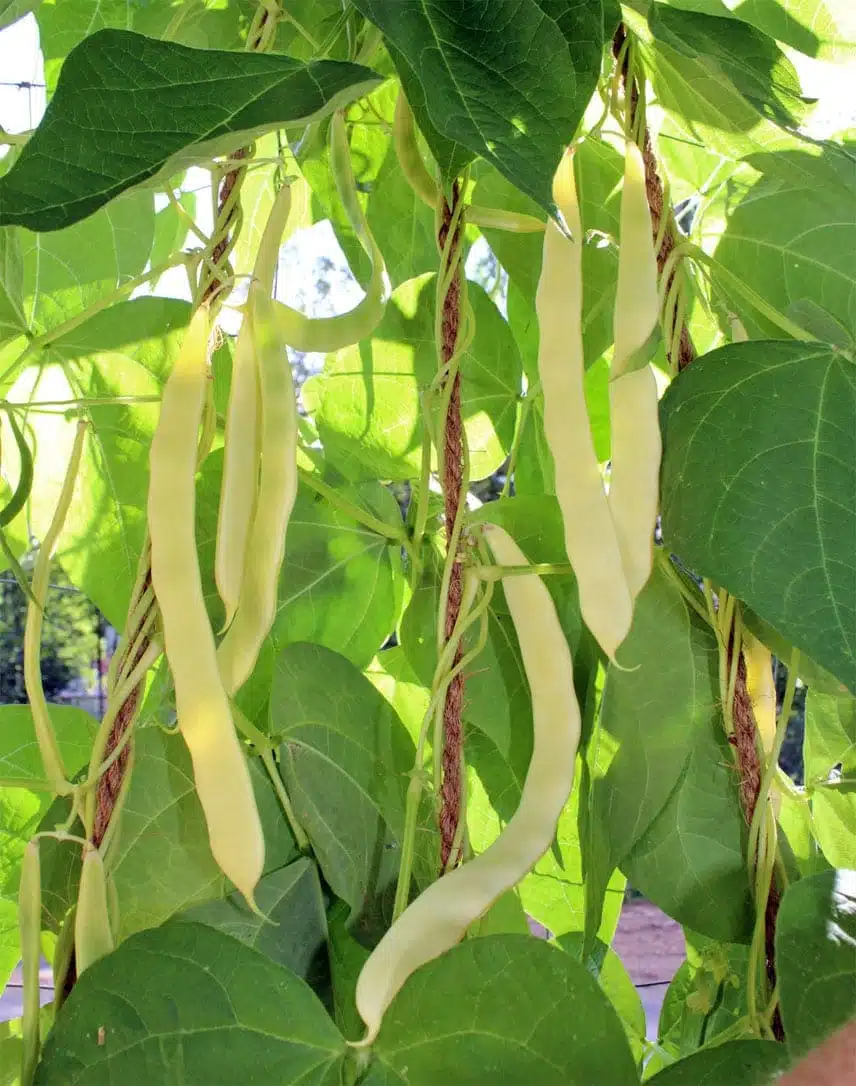
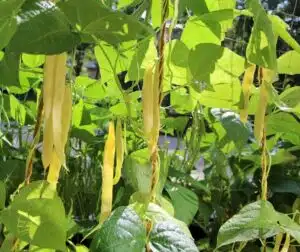
A major advantage of Golden Gate BIO is its flexibility in growing conditions. The variety is mid-early and performs well in both outdoor and greenhouse cultivation. In the open ground, the plant develops sturdy tendrils that are trained along stakes, while greenhouse conditions offer greater stability during cooler or changeable summers.
The bean is resistant to bean mosaic virus, a common disease that can hinder bean production. This natural resistance keeps the plant healthy longer, resulting in a reliable yield.
Sowing and cultivation – climbing variety with rich production
The sowing season runs from mid-May to late June, when the soil is sufficiently warm. Because Golden Gate is a runner bean, it climbs upwards and makes the most of its height. This makes it ideal for vegetable gardens where space is limited: a generous harvest can still be achieved with a relatively small plot.
Growing instructions:
Once the plants are attached to the stake, they will grow steadily upward. Regular training and light tying are recommended to keep the stems stable. Earthing up later in the season provides additional support and promotes a strong root system.
Like other beans, Golden Gate usually doesn't require additional fertilizer. The plant fixes nitrogen through its root nodules, thus enriching itself and the soil. It is important to avoid waterlogging, however, as moist soil can cause root rot.
Harvest and use – fresh is best
The harvest period begins in late July and runs until October, guaranteeing a long supply of fresh beans. Regular picking encourages new flowering, and the plant continues to produce until late in the season.
In the kitchen, Golden Gate offers many possibilities:
-
Cook fresh or steam for a soft bite
-
Ideal in summer salads
-
Suitable for stir-frying with garlic or lemon
-
Can be frozen very well after a short blanching.
Thanks to their tender texture, the pods do not need to be cut before processing — ideal for quick preparation in the kitchen.