Phaseolus vulgaris 'Golda' – Fine yellow bush bean with excellent flavour
Phaseolus vulgaris range, Golda occupies a unique position. While most traditional beans are green, Golda stands out with its beautiful yellow pods and medium-fine texture. This stringless bush bean combines a mild, pleasant flavor with early growth and a reliable harvest. For enthusiasts of unusual bean varieties or gardeners who enjoy adding variety to their bean's color and flavor, Golda is an absolute must-have. This comprehensive article covers the characteristics, cultivation methods, and culinary possibilities of Phaseolus vulgaris Golda.
Yellow, medium-fine bean with a mild flavour
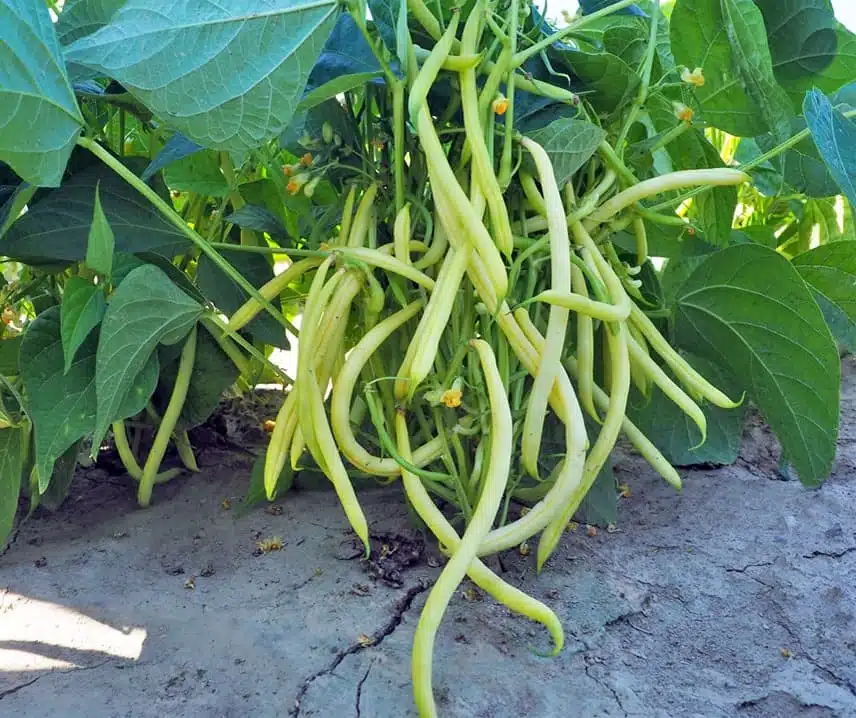
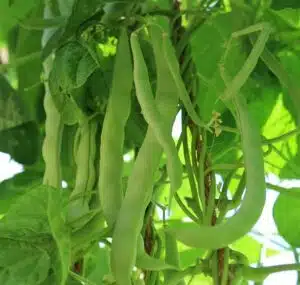
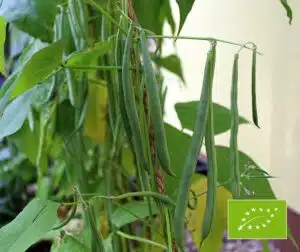
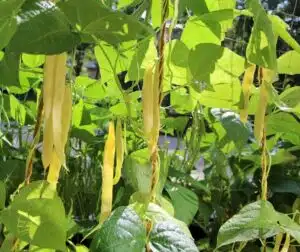
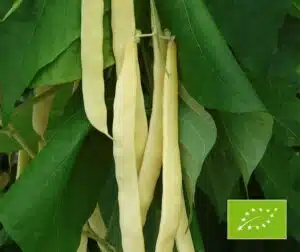
Golda is a bean that immediately catches the eye. The bright yellow pods are long and slender, about 20 cm long and 6–8 mm wide, giving this bean an elegant appearance. The stringless structure allows the beans to remain tender and be eaten without any annoying strings. This makes Golda ideal for those who enjoy a delicate bite and a refined, mild flavor.
The yellow color difference compared to traditional green beans not only offers visual variety, but also a culinary advantage: in dishes, this bean really comes into its own thanks to the deep color accents that immediately stand out on the plate.
Early grower with good resistance
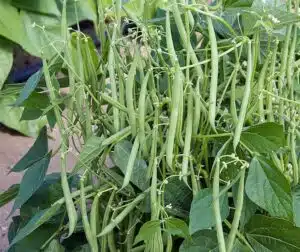
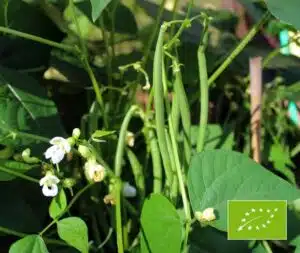
One of the major advantages of Phaseolus vulgaris Golda is its reliable growth. The plants start early and develop vigorously, resulting in the first flowers appearing quickly. This makes Golda one of the faster bush beans, making it attractive to home gardeners who enjoy fresh beans early in the season.
In addition, this variety possesses good resistance to diseases, including bean mosaic virus and greasy spot. This natural resilience contributes to healthy growth and a stable yield, even in changing weather conditions. With Golda, you're choosing a bean variety that is less susceptible to disease and therefore requires less maintenance.
Sow, grow and reap – simple and effective
Sowing period: May to early July
Harvest period: July to September
Growing Golda is easy and suitable for both beginners and experienced gardeners. Sow the seeds directly in the ground once the soil has warmed sufficiently and the danger of night frost has passed.
Sowing distances:
As with many bush beans, fertilization is generally unnecessary. The plant absorbs nitrogen from the air and stores it in the soil, which can actually improve soil quality. However, it is important to avoid waterlogging, as overly wet soil can suffocate the roots. Do not till the soil when it is too wet to prevent damage. A light layer of earth later in the growing season promotes a stronger root system and contributes to a higher yield.
Versatile in the kitchen – beautiful, tasty and colorful
Golda isn't just attractive to grow—it's equally attractive in the kitchen. The delicate, tender pods are perfect for:
-
Classic cooking or steaming
-
Salads and summer vegetable dishes
-
Stir-fries
-
Side dishes with potatoes, rice or grilled dishes
The yellow color makes Golda a visual highlight in vegetable mixes or cold salads. Children and picky eaters are also often more easily seduced by the mild flavor and colorful presentation.