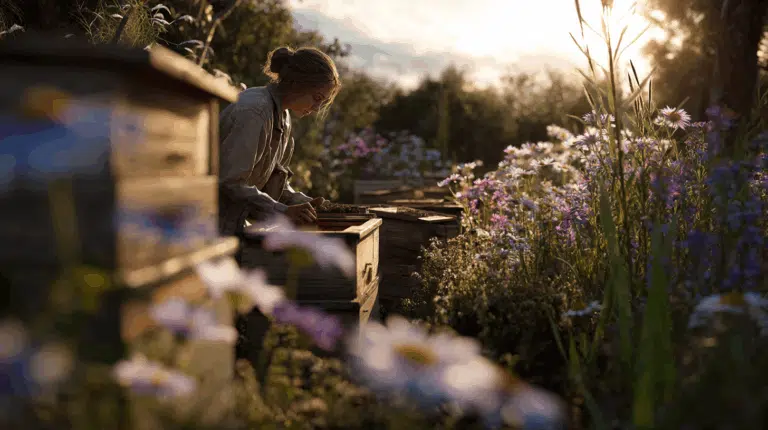
Scabiosa (Scabiosa) – ornamental cut flowers from seed
With Scabiosa seeds from EasySeeds.eu, you can bring elegance and charming color to your garden and bouquets. Growing scabiosa from seed as a cut flower is ideal for gardeners who want to enjoy flowers with a romantic appearance. Scabiosa, also known as scabiosa, is known for its soft, rounded flower heads in various colors, including blue, purple, pink, and white. These flowers are beloved for their graceful shape, long blooming period, and excellent vase life.
Why choose Scabiosa as a cut flower from seed?
-
Graceful flowers and decorative appearance
Scabiosa produces elegant, round flowers with delicate petals that create an airy effect in bouquets and borders. The colors range from soft pastels to intense shades, providing a playful and romantic accent.
-
Long-lasting blooms and easy care:
Scabiosa blooms from late spring to early autumn and retains its beauty long after cutting, making them ideal for fresh bouquets and flower arrangements. They are easy to grow and suitable for both novice and experienced gardeners.
-
Versatile and bee-friendly.
The flowers attract bees, butterflies, and other beneficial insects, contributing to biodiversity and a healthy garden environment. Scabiosa is suitable for borders, flowerbeds, and pots.
Uses of Scabiosa as a cut flower
-
Cut flowers for bouquets – The round flower heads and graceful stems make Scabiosa perfect for fresh and dried bouquets.
-
Borders & flowerbeds – Add structure, height, and romantic colors to your borders with these charming cut flowers.
-
Pots and containers – Compact Scabiosa varieties are excellently suited for pots, balcony planters, and patios.
-
Combinations with other cut flowers – Mix Scabiosa with Zinnia, Lathyrus, or Dianthus for a colorful and elegant effect in bouquets and borders.
Tips for sowing Scabiosa
-
Sowing time – Sow indoors from February to April or immediately outdoors after the last frost for an optimal start.
-
Soil & location – Use well-draining seed compost and choose a sunny to semi-shady location.
-
Care – Keep the soil moist during germination and the first growth phase; provide regular nutrition for strong, healthy plants.
-
Hardening off – Allow young plants to gradually acclimate to outdoor conditions before they are permanently planted out.
-
Maintenance – Remove wilted flowers (deadheading) to prolong flowering and maintain healthy stems.
Buy Scabiosa seeds at EasySeeds
At EasySeeds.eu, you will find an extensive range of Scabiosa seeds, selected for germination rate, color variety, and flowering intensity. Whether you want to fill borders, beautify pots, or create your own romantic bouquets – our Scabiosa seeds help bring your garden and bouquets to life every season.
🌸 Discover our range now and order easily online – buy Scabiosa seeds at EasySeeds.eu!