Verbena bonariensis – Airy purple clouds for any garden
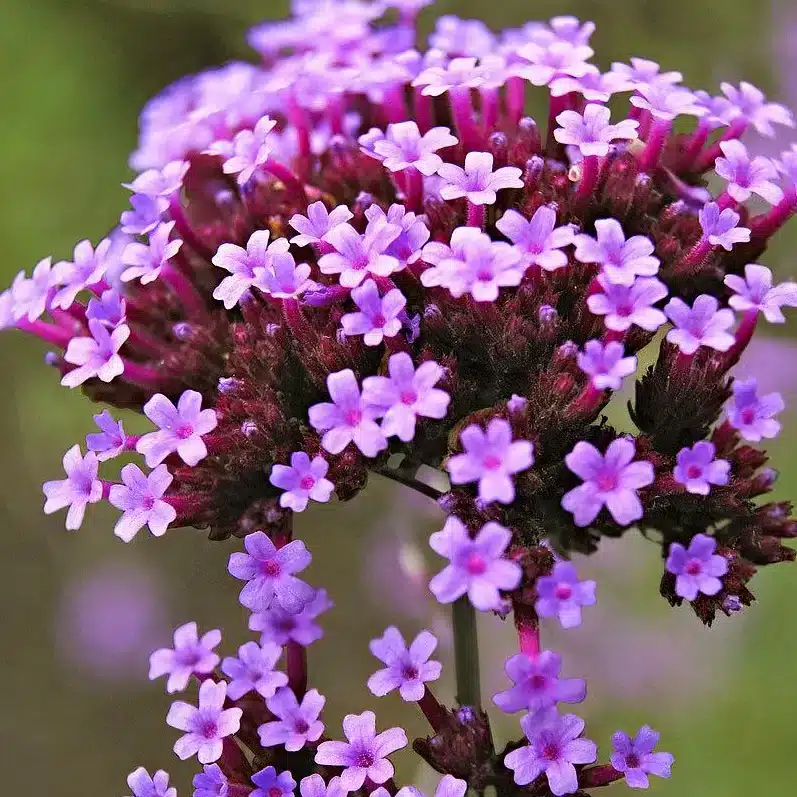
Verbena bonariensis, often called verbena or Brazilian verbena, is one of the most beloved ornamental plants in modern gardens. This elegant, slender plant is known for its transparent growth habit, vibrant purple flower clusters, and long blooming period. Thanks to its airy structure, Verbena bonariensis combines effortlessly with almost any other plant, bringing a natural, playful dynamism to borders and garden designs. Both amateur gardeners and professional landscapers value this plant for its simplicity, ornamental value, and attractiveness to butterflies and bees.
Botanical characteristics
Verbena bonariensis originates from South America and belongs to the Vervain family. The plant forms sturdy, upright stems that can reach heights of 120–150 cm. Compact, umbel-shaped flower clusters in a soft purple-lilac hue appear at the top of these stems. Its narrow growth habit gives the plant a transparent appearance: it's striking without dominating its surroundings.
Key Features:
-
Botanical name: Verbena bonariensis
-
Height: 100–150 cm
-
Color: Purple-lilac
-
Flowering: June – October
-
Location: Full sun
-
Uses: Border plant, prairie garden, bee plant, cut flower
-
Winter hardiness: Fair; often self-seeds
Thanks to its length and elegant silhouette, Verbena bonariensis adds height to the border without becoming bulky.
Location and care
Verbena bonariensis is a true sun worshipper. It thrives in a warm, sunny spot in the garden. Although it's fairly drought-tolerant, it blooms most profusely when the soil remains slightly moist but well-drained.
Care tips:
-
Plant in a spot where the sun shines for at least 6 hours a day.
-
Use a well-draining soil to prevent root rot.
-
Provide water during dry periods, especially with young plants.
-
Cut away faded flowers for longer flowering.
-
Leave the stems standing in winter: they protect the plant and provide food for birds.
Verbena bonariensis is semi-hardy. The root ball survives easily in mild winters, but the plant can die in severe frost. Fortunately, this species is known for its self-sowing ability: new seedlings often appear each spring near the original plant, allowing the plant to renew itself.
Application in the garden
Verbena bonariensis is a dream plant for all kinds of garden designs. Thanks to its transparent growth habit, it works beautifully as a backdrop or even through lower plantings. The plant creates a wild, natural atmosphere and adds movement to the garden as its stems gently sway in the wind.
Ideal in:
Beautiful combinations:
The purple hues of Verbena bonariensis form a beautiful contrast with yellow, white and red, while they blend harmoniously with pink and lilac.
Attractive to butterflies and bees
Verbena bonariensis is a true nectar plant and one of the best choices for attracting butterflies, bees, and bumblebees to the garden. Butterflies such as the peacock butterfly, cabbage white, and small tortoiseshell butterfly are particularly fond of this plant's nectar. Its long flowering period provides pollinators with food for months, making it valuable for biodiversity.
Suitable as a cut flower
Besides its ornamental value in the garden, Verbena bonariensis is also an excellent cut flower. The slender stems and delicate flower clusters add airiness and height to field bouquets and summer arrangements.
Why choose Verbena bonariensis?
Verbena bonariensis is an absolute must-have for anyone who loves natural, graceful, and colorful gardens. It combines elegance with robustness, blooms for an exceptionally long time, and attracts butterflies in abundance. The plant is low-maintenance, versatile, and ideal for both large and small gardens. Thanks to its self-seeding nature, it returns every year, even if the original plant doesn't survive the winter.