Herbs are more than just flavor enhancers; they've become an essential part of the modern lifestyle. Whether in the hospitality industry, at florists as fragrant accents in bouquets, or as potted plants on patios: the demand for fresh herbs continues to rise. As a retailer or grower, you can capitalize on this trend by offering a wide and high-quality range of herbs. At Easyseeds, you'll find the seeds you need to meet the demands of even the most discerning buyers.
The importance of varietal selection in herbs
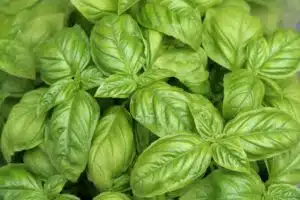
Not all basil is the same. While one variety excels in leaf size for the fresh market, another is selected for its high essential oil content for the processing industry. In our webshop, we select for traits such as growth vigor, aroma intensity, and bolting resistance (the plant blooming prematurely). For you as a business owner, this means a reliable product with a long sales period.
The benefits of herb seeds from Easyseeds
-
High germination rate: we regularly test our batches so you won't encounter any surprises during the sowing season.
-
Diversity: from classic Mediterranean herbs to forgotten native species and Asian varieties.
-
Flexible packaging: suitable for both growing young plants and selling as consumer seeds.
Popular categories of herb seeds
Herbs can be roughly divided into annual and perennial varieties. This distinction is important for your cultivation planning and logistics.
Annual herbs: basil, coriander and dill
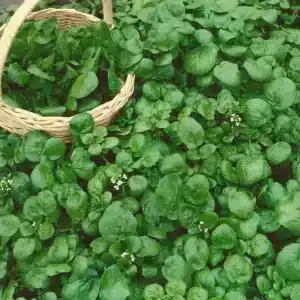
These herbs grow quickly and must be sown again every year. Basil is perhaps the most commonly grown herb, but also one of the most sensitive. The seed needs warmth (at least 20 degrees Celsius) and plenty of light. Coriander and dill, on the other hand, can be sown directly in the ground. A unique characteristic of coriander is that the plant quickly bolts under stress (such as drought), so choose our bolt-resistant varieties for longer leaf production.
Perennial herbs: thyme, rosemary and sage
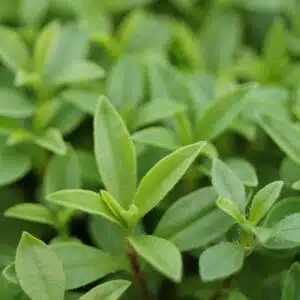
These varieties often form a woody structure and can last for several years. They are ideal for sale as potted plants. These seeds often germinate more slowly and irregularly than annual varieties. Patience and consistent soil moisture are the key to success. Once established, these plants are very robust and require little maintenance, making them ideal for low-maintenance landscaping projects.
How do you plant and care for professional herbs?
Herbs have specific soil requirements. Most Mediterranean herbs prefer calcareous, well-drained soil. While too much nitrogen in the soil promotes rapid growth, it reduces the concentration of aromas.
Points of attention when growing herbs:
-
Light requirements: Almost all herbs require light to germinate. This means that after sowing, you should cover the seeds with little to no soil. A thin layer of vermiculite can help retain moisture without blocking the light.
-
Water management: avoid wet feet. Use pots with good drainage holes. Root rot is a common risk, especially when growing rosemary and lavender, in soil that is too wet.
-
Topping: To cultivate compact, bushy plants, timely topping of young shoots is recommended. This encourages lateral branching, resulting in a visually more attractive product for retail.
Applications for florists and gardeners
Are you a florist? Then consider incorporating herbs into your floral arrangements. Flowering dill or mint not only adds a unique texture but also a delightful fragrance. For gardeners, we offer bee-friendly seed mixes for herb borders. Herbs like thyme and oregano attract masses of pollinators during the flowering season, making them perfect for an ecological garden design.
Easyseeds is your partner for everything herb-related. We not only supply the seeds but also help you develop presentation and the best cultivation methods for your specific situation. Order your herb seeds today and experience the quality of Easyseeds.