Perennials – sustainable flowers from seed
With perennial seeds from EasySeeds.eu, you can fill your garden with annual and perennial flowers that provide color and structure year after year. Sowing perennials from seed is ideal for gardeners who want to create a sustainable, low-maintenance garden. These plants often bloom for years and develop stronger each season, creating a stable and long-lasting foundation for borders, flower beds, and flowerbeds.
Why choose perennials from seed?
-
Long-lasting blooms and rich colors.
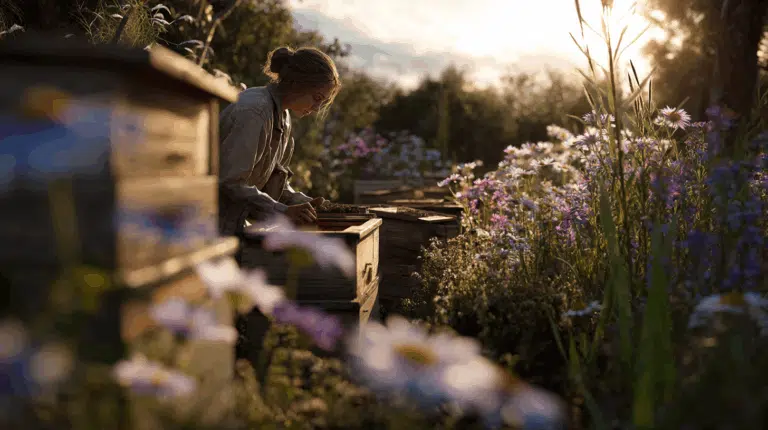
Perennials produce flowers in a wide range of colors and shapes. From soft pastel shades to intense, striking blooms, these plants give your garden a vibrant, diverse look. Flowering perennials also attract bees, butterflies, and other pollinators, contributing to biodiversity and a healthy garden environment.
-
Easy-care and robust.
Perennials are easy to grow and require little care. They survive winter temperatures, return year after year, and strengthen their root system and flower production with each season. This makes them ideal for both novice and experienced gardeners.
-
Versatile.
Perennials are suitable for borders, flowerbeds, pots, and window boxes. Their versatility allows them to be combined with annuals for a colorful and dynamic garden design.
Uses of perennials from seed
-
Borders & flowerbeds – Create a rich, long-lasting profusion of flowers that adds structure and color to your garden.
-
Pots and containers – Choose compact perennials for pots, balcony boxes or patios for a colourful and low-maintenance outdoor space.
-
Cut flowers – Many perennials, such as Lupine, Delphinium or Digitalis, are excellent as cut flowers for bouquets and flower arrangements.
-
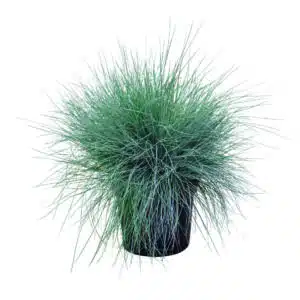
Combinations with other garden plants – Mix perennials with annual flowers or ornamental grasses for a varied and vibrant garden that blooms from spring to autumn.
Tips for sowing perennials
-
Sowing Time – Sow indoors in early spring or outdoors in late summer to early fall, depending on the variety.
-
Soil & Location – Use well-draining, nutritious seed compost and choose a location with plenty of sun or partial shade, depending on the variety.
-
Care – Keep the soil moist during the germination phase and feed regularly for healthy plants.
-
Hardening off – Gradually acclimatise young plants to outdoor conditions before planting them out permanently.
-
Maintenance – Remove wilted flowers and dead leaves to promote flowering and plant health.
Buy perennial seeds at EasySeeds
At EasySeeds.eu, you'll find a wide range of perennial seeds , selected for their germination rate, flowering intensity, and color variation. Whether you want to fill borders, enhance pots, or create a sustainable garden, our perennial seeds will bring your garden to life in every season.
🌱 Discover our range now and order easily online – buy perennial seeds at EasySeeds.eu!